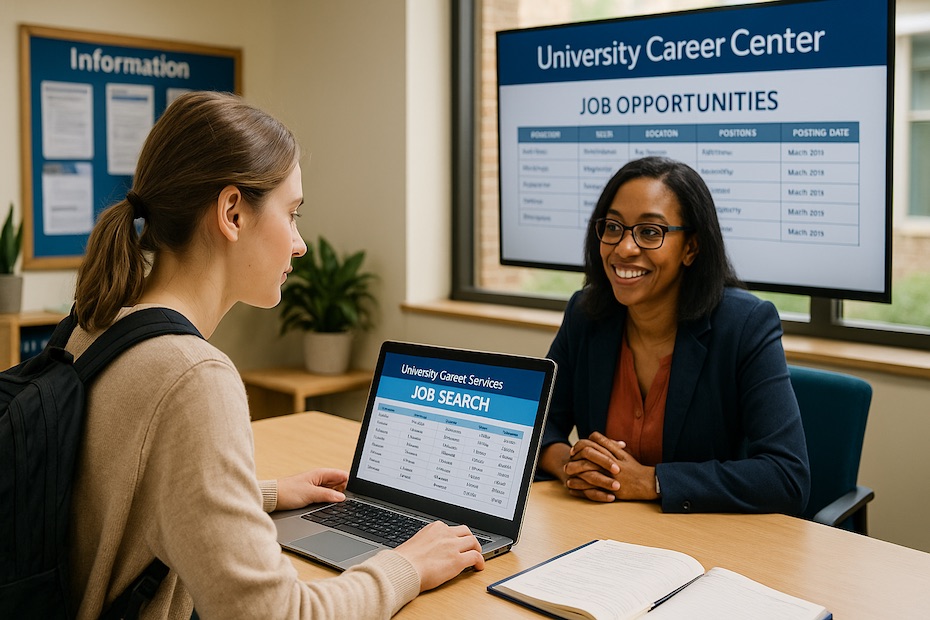
You don’t have to wait until graduation to build your career. Your university is more than just lectures and exams—it’s a toolbox filled with opportunities to help you gain real-world experience, develop job-ready skills, and connect with people who can open doors. From career services to research programs, internship pipelines, and alumni networks, you have access to resources that employers value. This article guides you through those assets, shows you how to use them strategically, and helps you take charge of your future with confidence and clarity.
Start with the Career Center—Yes, Right Now
You might think the career center is for seniors scrambling for jobs, but the earlier you show up, the more you gain. Most universities offer one-on-one coaching, resume reviews, mock interviews, aptitude assessments, and employer meetups—and those aren’t just fluff. These are built to help you match your skills with roles that exist today. Whether you’re in business, tech, arts, or sciences, a simple appointment could help align your degree with actual opportunities.
Don’t wait until you’re desperate. Walk in during your first year and ask how to build a four-year plan that includes internships, certifications, and career development milestones. The office may also connect you with job shadowing programs or invite you to employer info sessions where you can meet hiring managers face to face. That kind of exposure can be more valuable than any textbook.
Internships Aren’t Optional Anymore
It’s not just about getting a diploma—it’s about showing you can apply what you’ve learned. Internships are the single most effective way to do that. Many universities now require some type of experiential learning, and companies increasingly use internships as pipelines for full-time hires. This means you should treat internship planning as seriously as class registration.
Start by checking if your program offers academic credit for internships. Some schools have databases of pre-approved placements and faculty coordinators to help guide you. Others host internship fairs each semester. You can even apply for school-sponsored grants if the internship is unpaid. If you’re looking for a competitive edge, these programs offer a real one.
Research Isn’t Just for Scientists
If you assume research is only for lab coats and microscopes, think again. Nearly every department—history, business, engineering, education—has faculty-led research projects that welcome student help. Getting involved builds your resume, strengthens faculty connections, and teaches project management skills that employers respect.
Ask your professors if they’re working on anything that could use an extra set of hands. You’ll gain a close-up view of your discipline beyond textbooks, and you’ll have something real to show in job interviews. Bonus: many universities offer paid research assistant positions or academic credit. It’s a smart way to earn while learning.
Tap into the Alumni Network
Your school’s alumni are a powerful but often overlooked asset. These are people who’ve been where you are—and landed where you want to be. Most alumni are more than willing to help students from their alma mater. Schools host networking events, mentorship match-ups, and industry panels featuring former students who now work at companies you’d love to join.
Start by using LinkedIn to search for alumni in your field. Filter by industry and reach out with short, respectful messages. Keep it to a few lines—introduce yourself, mention your major, and ask one question about their career path. You’d be surprised how often they respond. That one conversation might turn into a referral, a job tip, or a longer-term connection.
Join Clubs That Sharpen Career Skills
Academic clubs and student organizations aren’t just social—they’re training grounds. Whether it’s a finance club hosting case competitions or an engineering group designing projects for local nonprofits, you can build real, resume-worthy skills. These activities demonstrate initiative, teamwork, and leadership—three things employers actively look for.
If you can’t find a club that matches your career interests, consider starting one. Schools usually provide funding, space, and support for student-led initiatives. Leading a club shows you can manage events, budgets, and people—experience that looks great on a resume and feels even better when you put it into action.
Attend Skill-Building Workshops and Events
Career readiness isn’t just about what you know—it’s about how you show it. Workshops on resume writing, LinkedIn profiles, personal branding, and workplace communication help you sharpen the way you present yourself to employers. Many schools also bring in recruiters to share hiring trends or offer behind-the-scenes tips on getting noticed.
Some schools now offer microcredentials or badges for attending multiple sessions or completing workshops in a skill track. Add these to your LinkedIn or resume to show you’re doing more than just going to class—you’re preparing for a real job. Keep an eye on your university events calendar and sign up regularly. Those 60-minute sessions add up.
Use University-Sponsored Job Boards and Interview Platforms
Don’t underestimate the value of your university’s exclusive job board. Unlike public platforms, these listings are often curated by employers who want to hire students from your school specifically. That means less competition and a better shot at landing an interview. Some schools partner with services like Handshake, Symplicity, or WayUp—platforms designed for student and recent grad hiring.
Your school may also offer virtual mock interviews or connect you to employers doing real ones on campus. These aren’t just test runs; many result in actual hires. Learn how to navigate those tools early, so when senior year rolls around, you’re not starting from scratch.
Key Benefits of University Career Resources
- Career centers offer personalized planning and employer connections
- Internships help translate academics into job skills
- Faculty research builds credibility and practical experience
- Alumni networks offer job leads and mentorship
- Clubs and workshops develop leadership and soft skills
Track Your Progress So You Can Sell It Later
Using resources is only half the job—you also need to document it. Create a simple Google Doc or spreadsheet and update it regularly with what you’ve done: resume versions, interviews attended, mentors met, internships applied for, projects completed, workshops attended. This personal career log becomes your foundation for applications and interviews.
When you’re writing your resume or prepping for interviews, you’ll have a running list of accomplishments ready to go. And when you see that list grow month by month, your confidence will grow with it.
In Conclusion
If you’re waiting for your degree alone to launch your career, you’re wasting time. The smartest move is to use the resources right in front of you—career services, internships, research, alumni, clubs, and tools designed to give you an advantage. These aren’t extras. They’re essentials. The more you use them, the more doors you’ll open, and the more ready you’ll be when opportunity knocks.
oin our virtual mentorship circle – connect with alumni who’ve navigated the university-to-career transition: suneetsingal1.blogspot.com