Tag: Virtual Classrooms

  • How to Maximize Learning in Virtual Classrooms

    How to Maximize Learning in Virtual Classrooms

    You maximize learning in virtual classrooms by creating a focused environment, engaging actively with peers and instructors, applying active learning methods, leveraging technology tools, and building habits that keep you consistent.

    Virtual classrooms can match or even exceed traditional learning—if you approach them strategically. This article gives you the proven methods to improve focus, retention, and performance online. You’ll learn how to set up your environment, interact meaningfully, and use digital tools to maximize learning outcomes.

    What environment helps you stay focused in virtual classes?

    Your physical setting directly affects your ability to learn online. You need a dedicated space—ideally a desk or workspace—that signals your brain it’s time to focus. Keep it clean, organized, and free from clutter or distractions.

    Consistency matters. By studying in the same spot daily, you reinforce the habit of associating that environment with productivity. A clear routine prevents your attention from drifting, especially when online sessions stretch for hours.

    Small adjustments like noise-canceling headphones or good lighting also make a big difference. These cues reduce stress and allow you to devote full attention to the material.

    How can you increase engagement in virtual classrooms?

    Active participation transforms online sessions from passive viewing into interactive learning. You should contribute in breakout rooms, respond to polls, and ask questions in chat or verbally. Each engagement step strengthens retention.

    When you interact with peers, you’re not just reinforcing material—you’re building a sense of accountability. That sense of community helps you stay motivated when distractions are only a tab away.

    Your instructors also gauge learning better when you interact. Engagement makes virtual sessions dynamic, which helps information stick.

    What role does note-taking play in online learning?

    Structured note-taking is one of the most effective learning reinforcements. Instead of typing everything verbatim, summarize key points in your own words. That forces you to process information, not just capture it.

    Digital tools such as OneNote, Evernote, or Notion can keep notes organized by subject. Pair them with virtual whiteboards or response tools for quick, interactive engagement during live lectures.

    Your notes also serve as a review bank for exams or projects. They become a personalized knowledge base you can return to for long-term mastery.

    Which active learning strategies are most effective online?

    Active learning ensures you don’t just absorb content—you apply it. Breakout discussions, problem-solving tasks, peer teaching, and real-time quizzes keep you mentally engaged.

    One proven technique is “think-pair-share.” You pause to think individually, then share with a partner in breakout rooms, before discussing with the whole class. This simple method deepens understanding and ensures you’re not just listening passively.

    Simulation exercises and case studies also bring concepts to life. By engaging directly with scenarios, you transform abstract material into practical skills.

    How does technology enhance virtual learning?

    Digital tools streamline organization, collaboration, and study. Learning management systems (LMS) like Canvas, Blackboard, or Moodle centralize assignments and resources. Communication tools like Slack or Microsoft Teams encourage ongoing peer discussions beyond class hours.

    Shared docs, spreadsheets, and project boards allow group collaboration without the need to meet physically. You also benefit from reminders, deadlines, and real-time notifications that keep you on track.

    Technology becomes a multiplier. By using platforms effectively, you reduce confusion and maximize efficiency in every study session.

    Why does building community matter online?

    In a virtual setting, isolation is one of the biggest risks. You stay committed when you have accountability partners and peer connections. Create or join study groups, even if they’re virtual.

    Community fosters deeper learning because explaining concepts to others tests your own understanding. It also provides emotional support, which helps sustain focus during demanding academic periods.

    When you engage with classmates beyond lectures—through forums, messaging apps, or shared projects—you feel connected to something larger than just your own screen. That improves both performance and motivation.

    What strategies improve retention in virtual classrooms?

    Retention depends on spacing out review and testing yourself regularly. The “spacing effect” shows you retain more when you revisit material over time rather than cramming.

    Test yourself with flashcards, online quizzes, or practice problems. Retrieval practice strengthens memory better than simply re-reading notes.

    Finally, apply what you learn quickly. Use real-world examples or projects to integrate knowledge. The faster you connect learning with practice, the more permanent it becomes.

    Essential Practices for Virtual Classroom Success

    You maximize online learning outcomes by focusing on consistent habits and active methods:

    • Set up a clean, distraction-free study zone
    • Stick to a consistent routine for lectures and assignments
    • Engage actively in discussions, polls, and breakout rooms
    • Take structured, summarized notes with digital tools
    • Use active learning through problem-solving, simulations, and peer teaching
    • Build accountability through online communities and study groups
    • Reinforce retention with spaced review and practice testing

    How can you maximize learning in virtual classrooms?

    • Create a focused study space
    • Engage actively with peers and instructors
    • Take structured notes and review regularly
    • Use active learning techniques and digital tools

    In Conclusion

    Virtual classrooms are only as effective as the strategies you bring to them. By optimizing your environment, interacting purposefully, applying active learning, and leveraging technology, you ensure your study sessions translate into long-term mastery. Learning online isn’t about doing more—it’s about doing it smarter, with discipline and structure.

    For more resources on academic success, online learning strategies, and student support, visit my profile at Facebook.
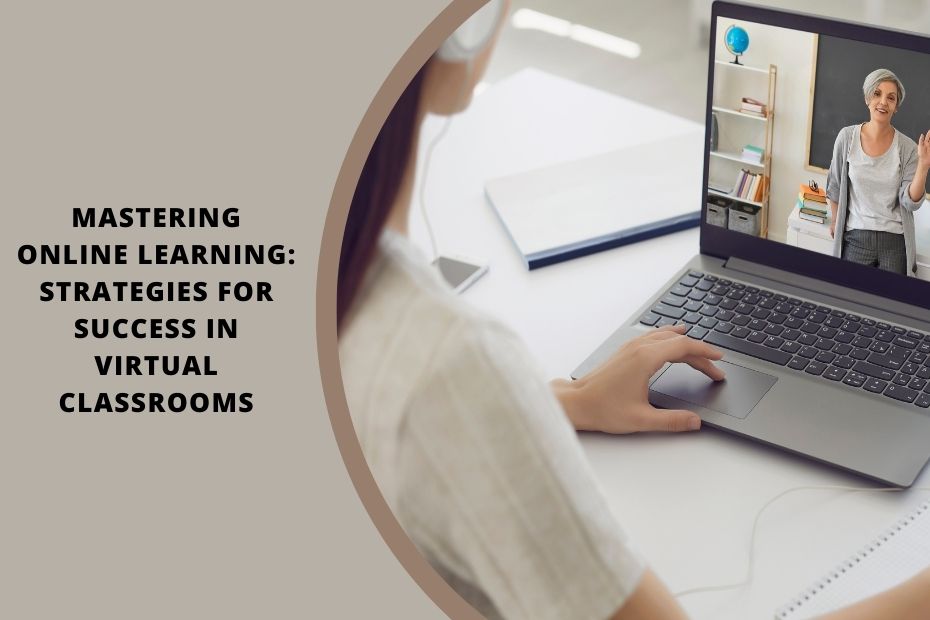
  • Mastering Online Learning: Strategies for Success in Virtual Classrooms

    Mastering Online Learning: Strategies for Success in Virtual Classrooms

    Online learning has revolutionized education, making it accessible to anyone with an internet connection. While it offers flexibility and convenience, succeeding in virtual classrooms requires a strategic approach that differs from traditional, in-person learning environments. Over the years, I’ve observed that students who thrive in online courses adopt specific habits and techniques to stay focused, organized, and motivated. Let’s explore the strategies that can help you excel in your virtual learning journey.

    Create a Dedicated Learning Environment

    The environment where you study has a profound impact on your focus and productivity. In online learning, it’s essential to create a space that is free from distractions. Whether it’s a desk in your bedroom or a quiet corner in the living room, make sure the area is comfortable, well-lit, and equipped with everything you need, including your computer, notebooks, and a reliable internet connection.

    A designated study space signals your brain that it’s time to focus on academics. Avoid studying in places associated with leisure, like your bed or a couch, as this can blur the lines between work and relaxation, reducing your efficiency.

    Stick to a Structured Schedule

    One of the greatest challenges in online learning is managing time effectively. Without the rigid structure of traditional classrooms, it’s easy to fall behind on assignments or skip studying altogether. The solution? Create a schedule and stick to it.

    Start by identifying your most productive hours of the day. Use this time for activities that require deep concentration, like attending live lectures, working on projects, or studying complex topics. Allocate specific blocks for reading, reviewing materials, and completing assignments. Don’t forget to schedule breaks—short intervals between study sessions can refresh your mind and improve focus.

    Set Clear Learning Goals

    Having clear goals is a powerful motivator in online learning. At the start of each course, take time to understand the syllabus and identify what you aim to achieve. Break down these objectives into smaller, manageable tasks, and set deadlines for each. For instance, if your goal is to master a specific topic, outline the steps you’ll take to get there, such as watching lectures, completing readings, and practicing exercises.

    Tracking your progress keeps you accountable and provides a sense of accomplishment as you check off tasks. Goal-setting is a critical skill that enhances both your academic and professional life.

    Engage Actively in Virtual Classrooms

    Engagement is the cornerstone of effective learning. In an online setting, active participation is even more important because it bridges the physical gap between you and your instructors or peers. Make it a habit to participate in discussion forums, ask questions during live sessions, and collaborate on group projects.

    Engaging with your peers and instructors fosters a sense of community, which is often missing in virtual learning. It also helps deepen your understanding of the material, as explaining concepts to others or debating ideas reinforces your own knowledge.

    Use All Available Resources

    Online courses often come with a wealth of resources designed to support your learning, from recorded lectures and interactive quizzes to supplemental reading materials and virtual office hours. Make it a priority to explore and utilize these tools.

    For example, if a concept isn’t clear during a lecture, review the recorded session or seek clarification through email or discussion forums. Many online platforms also provide access to digital libraries, tutorials, and learning analytics that can help you identify areas for improvement. Taking advantage of these resources can significantly enhance your learning experience.

    Manage Your Time Effectively

    Effective time management is a game-changer in online learning. Start by prioritizing your tasks based on deadlines and importance. Tools like Google Calendar, Trello, or dedicated planner apps can help you organize assignments, set reminders, and track progress.

    Break larger tasks into smaller chunks to make them more manageable. For instance, instead of writing a research paper in one sitting, break it into steps like topic selection, research, drafting, and editing.

    Minimize Digital Distractions

    In a world full of notifications, social media, and endless streaming options, staying focused during online learning can be challenging. To combat this, identify your biggest distractions and implement strategies to manage them. Turn off unnecessary notifications on your devices, use apps like Freedom or StayFocusd to block distracting websites during study sessions, and let family members or roommates know when you need uninterrupted time.

    By creating an environment that minimizes distractions, you can maximize your productivity and make the most of your study hours.

    Stay Motivated and Disciplined

    One of the most common challenges in online learning is maintaining motivation, especially without the physical presence of classmates and instructors. To stay motivated, remind yourself of your goals and why you’re pursuing them. Visualize the benefits of succeeding in your course, whether it’s earning a degree, acquiring a new skill, or advancing your career.

    Discipline is equally important. Set daily or weekly goals and reward yourself for meeting them. For instance, after completing an assignment, treat yourself to a favorite activity or a short break. Building a reward system can make the process enjoyable and keep you on track.

    Seek Feedback and Reflect on Your Progress

    Feedback is an invaluable tool for growth. Regularly seek input from your instructors, peers, or mentors on your performance. Whether it’s constructive criticism on an assignment or insights from a group discussion, feedback can help you identify areas for improvement and build on your strengths.

    Reflection is another essential aspect of self-improvement. After completing a course or project, take time to evaluate what worked well and what didn’t. This practice enhances your learning experience and prepares you to tackle future challenges more effectively.

    Prioritize Health and Well-Being

    Your physical and mental well-being play a significant role in your academic success. Long hours in front of a screen can lead to fatigue, so remember to take regular breaks to stretch, hydrate, and rest your eyes. Incorporate physical activity into your routine to boost energy levels and reduce stress.

    Mental health is equally important. If you’re feeling overwhelmed, don’t hesitate to reach out to friends, family, or support services provided by your institution. Maintaining a healthy balance between academics and self-care ensures sustained productivity and focus.

    Key Strategies for Succeeding in Virtual Classrooms

    • Create a dedicated study space: Choose a consistent, distraction-free environment.
    • Stick to a structured schedule: Allocate specific time blocks for studying and breaks.
    • Set learning goals: Break objectives into manageable tasks with deadlines.
    • Engage actively: Participate in discussions and collaborate with peers.
    • Utilize resources: Explore all tools and support provided by the course.
    • Manage distractions: Use apps and strategies to stay focused during study sessions.

    In Conclusion

    Online learning offers immense opportunities for personal and professional growth, but it requires intentional effort and discipline to succeed. By creating a structured routine, actively participating in your courses, leveraging available resources, and maintaining focus, you can overcome the challenges of virtual classrooms and achieve your educational goals. Remember, success in online learning isn’t about perfection—it’s about progress and commitment. Stay motivated, stay organized, and embrace the flexibility that online education offers to unlock your full potential.